Direct Answer
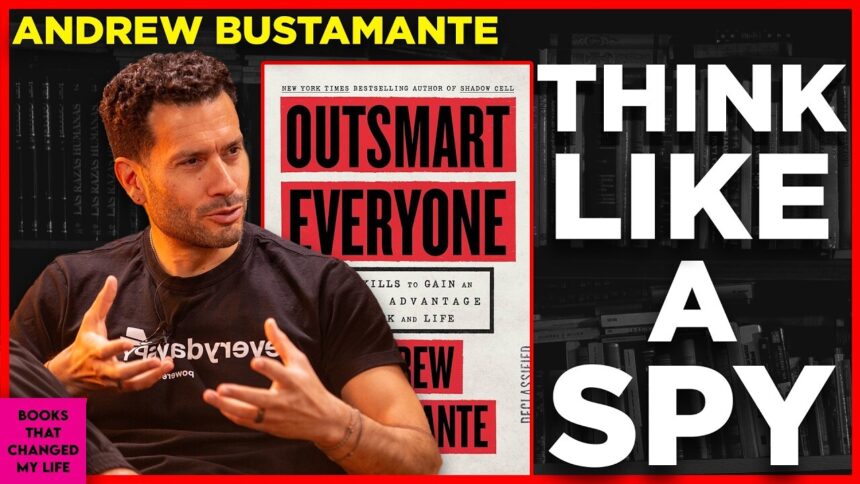
According to former CIA officer Andrew Bustamante, outsmarting someone is not about trickery — it’s about removing mental friction so a person reaches a conclusion they already benefit from, while using vulnerability and deep commitment to craft to build lasting trust.
Fresh take: Why a spy’s playbook belongs in everyday life
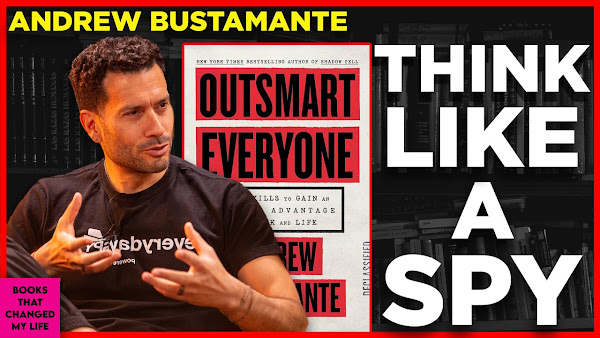
Andrew Bustamante brings covert‑ops tradecraft into plain language: influence is more effective when it conserves another person’s cognitive energy and connects through shared weakness, not by polishing a perfect image. This article reframes his central arguments from Outsmart Everyone and the Books That Changed My Life conversation into practical steps anyone can use at work and in relationships.
Key takeaway summary
- Outsmarting = cognitive economy: Help someone skip unnecessary mental steps so they arrive at a constructive decision with less effort.
- Vulnerability creates connection: People repel displays of invulnerability; genuine bonds form when people admit struggle.
- Radical preference: Deep care about craft and detail turns useful work into meaningful, long‑lasting results.
Who is Andrew Bustamante?
Andrew Bustamante is a former CIA intelligence officer and a US Air Force nuclear missile operator who now teaches tradecraft to corporate teams, entrepreneurs, and individuals through his company EverydaySpy. He is the author of Outsmart Everyone, and spoke about these ideas on the Books That Changed My Life channel.
How Bustamante defines influence
Rather than equating influence with dominance or manipulation, Bustamante argues influence is the ability to remove the unnecessary cognitive work a person would otherwise do—so they reach a desirable, net‑positive outcome more easily. He frames this as assisting the brain to “skip steps.”
“We repel each other with our strengths and connect with each other through our vulnerabilities.”
Practical concepts from the conversation
The Three Lives framework
Bustamante describes people as living in three overlapping arenas:
- Public life: The persona shown to others and the world.
- Private life: Personal relationships and the parts of ourselves we reveal selectively.
- Secret life: Inner thoughts, fears, and choices kept even from close intimates.
Most energy is spent protecting the public life. Real connection happens when two people can move past shells and meet at private or secret levels.
Radical preference and craftsmanship
“Radical preference” describes an uncompromising dedication to what you care about—choosing to prioritize quality, conviction, and the right details over short‑term convenience. Bustamante says this mindset elevates routine work into something that resonates beyond immediate utility.
Why top performers are often isolated
Executives and high performers can appear guarded because responsibility imposes loneliness. Bustamante notes that attempting to impress someone who carries that burden backfires; instead, acknowledging shared weights opens rapport.
Tradecraft vs. manipulation — a side‑by‑side
How to apply these ideas (short checklist)
- Prioritize lowering cognitive friction: simplify choices so others can reach decisions without excessive analysis.
- Show selective vulnerability: reveal genuine burdens or uncertainties at the appropriate moment to invite reciprocity.
- Adopt radical preference: commit to details that align with your values rather than defaulting to expedience.
- Look past public status: focus conversations on universal pressures (isolation, responsibility) rather than trying to match status displays.
Where to watch and read more
Watch the full conversation on the Books That Changed My Life YouTube channel. Read Bustamante’s book Outsmart Everyone for the extended framework and examples.
Further listening and links
Listen to the full uncut conversation on Spotify, browse our archive on the main website, or find past episodes in the official podcast directory.
Reader FAQs
Q: Is ‘outsmarting’ the same as manipulating someone for advantage?
No. Bustamante distinguishes malicious manipulation from tradecraft‑based influence. The latter aims for mutual benefit by taking on cognitive work for the other person so they can choose a good outcome without extra mental strain.
Q: If two people know these techniques, do they stop working?
Not necessarily. The methods depend on human psychology—how minds prefer shortcuts and pattern recognition. When both people understand the approach, communication can be faster because each recognizes the intent to save cognitive effort and align goals.
Q: What’s the best way to build trust with guarded leaders?
Don’t try to impress them with status. Instead, acknowledge the common pressures they face—responsibility, loneliness, and the need for discreet understanding—and mirror that honesty in a measured way to create an opening.
Closing thoughts
Andrew Bustamante’s central claim is straightforward: influence becomes ethical and effective when it reduces friction in others’ thinking and relies on honest human connection. Practice lowering cognitive load, choose radical preference in the work that matters, and be willing to show real vulnerability—those moves create durable influence rather than temporary compliance.
If you’re looking for structured tools to strengthen autonomy and leadership, consider the I AM LEADER Book Set for frameworks that support sustained performance and decision clarity.
Related reading on techvail.com: Unearthing the Self-Leader Hidden Behind Your Autopilot; Michael Blaustein: Overcoming Perfectionism Through Purpose.