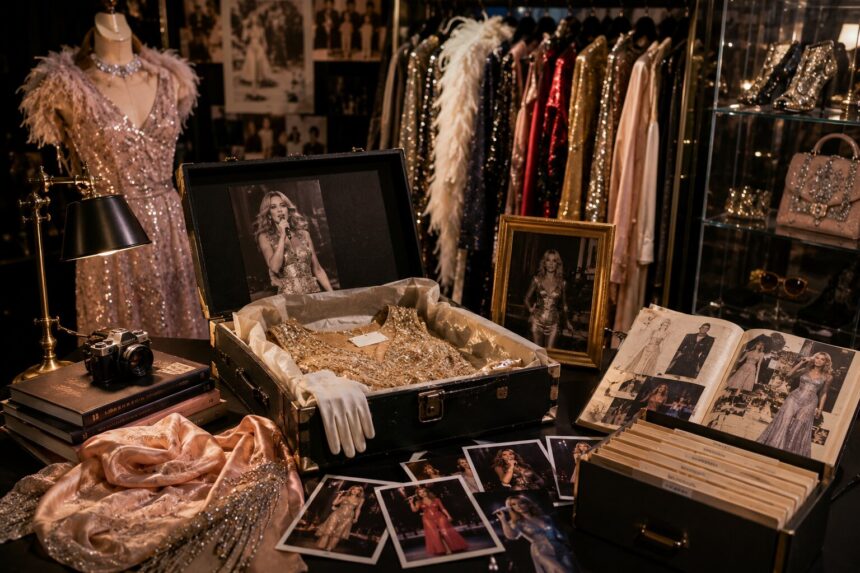
In 2026, celebrity fashion is no longer focused only on what is new. Instead, pop culture is becoming increasingly fascinated with the past. From carefully preserved vintage couture to personal wardrobe “vaults,” celebrities are transforming old-fashioned pieces into cultural artifacts with emotional and commercial value.
This growing obsession with archival fashion has accelerated following the attention surrounding Kylie Minogue and the buzz around her Netflix docuseries showcasing decades of preserved costumes, designer looks, and personal memorabilia. At the same time, conversations around missing or damaged vintage garments at major events have made preservation itself part of the cultural narrative.
The result is a new era of “vintage preservation,” where celebrities, luxury brands, and fans are treating fashion history as something worth curating, protecting, and monetizing. Below, we explore why archival fashion is becoming one of the defining pop-culture trends of 2026.
What is archival fashion?
Archival fashion refers to historically significant clothing pieces that are preserved because of their cultural, artistic, or personal value. These can include vintage runway looks, iconic red-carpet outfits, or garments connected to major celebrity moments.
In 2026, archival fashion is no longer limited to museums or collectors. Celebrities themselves are increasingly curating personal archives, treating their wardrobes as part of their long-term public identity and legacy.
Rather than constantly chasing new trends, many stars are revisiting past looks and preserving pieces that helped define their image.
Why are celebrities focusing on their personal style history?
Celebrity branding has evolved far beyond current fashion cycles. Today, a celebrity’s history is often just as valuable as their present image.
By opening personal archives, stars create emotional storytelling around their careers. Fans are no longer just interested in what celebrities wear today—they want access to the moments, memories, and cultural eras attached to those outfits.
This growing interest in personal evolution and public identity also appears in stories like How Sarah Shahi Used Curiosity to Rebuild Her Life at 40, where reflection and reinvention become part of a celebrity’s long-term narrative.
How did archival fashion become so popular in 2026?
Several cultural trends collided to fuel the rise of archival fashion. Nostalgia-driven entertainment, documentary storytelling, and the growing “Pop Archive” movement all increased interest in preserving cultural history.
The success of celebrity documentaries and behind-the-scenes vault tours has made audiences more curious about fashion collections that were previously hidden from public view.
At the same time, fashion fans are becoming more interested in rarity and authenticity. Vintage pieces carry emotional and historical value that newer garments often lack.
Why are celebrities wearing vintage instead of new runway fashion?
Wearing vintage or archival fashion allows celebrities to stand out in an increasingly crowded media landscape. While many red carpets feature similar current-season runway looks, archival pieces feel unique and culturally meaningful.
Vintage garments also create stronger storytelling opportunities. Fans and media outlets often recognize iconic historical pieces instantly, which generates discussion and emotional engagement online.
This shift reflects a broader cultural fascination with history, individuality, and preservation rather than constant novelty.
What role do luxury fashion houses play in this trend?
Luxury brands are heavily investing in archival storytelling because it strengthens brand heritage and exclusivity. Many fashion houses are reopening archives, reissuing classic designs, and highlighting historical craftsmanship as part of their marketing strategies.
Archival fashion reinforces the idea that luxury items are timeless cultural objects rather than disposable trends. This positioning becomes especially valuable in an era where consumers increasingly question fast fashion and overconsumption.
According to Vogue, archival dressing and vintage couture continue gaining prominence at major celebrity events because audiences are drawn to pieces with history and recognizable cultural significance.
How does social media influence archival fashion culture?
Social media has transformed archival fashion into a form of digital storytelling. Fans now analyze vintage looks, compare celebrity eras, and track fashion history in real time across online platforms.
A single archival outfit can generate massive engagement because it connects nostalgia, celebrity culture, and fashion expertise all at once.
The visual nature of social media also makes archival fashion highly shareable. Side-by-side comparisons between original appearances and modern reinterpretations often become viral cultural moments.
Why is “vintage preservation” becoming so important?
As rare fashion pieces become more valuable culturally and financially, preservation has become a serious concern. Stories about missing or damaged archival garments have sparked discussions around ownership, care, and responsibility.
Many celebrities now treat their wardrobes similarly to museum collections, using professional storage, restoration, and documentation methods to maintain historical pieces properly.
This growing fascination with curated cultural collections mirrors the appeal of private archive spaces explored in Inside the Secret World of Syndicate X’s Book Room, where preservation and storytelling shape audience engagement.
What does this trend mean for fan engagement?
Archival fashion creates deeper emotional connections between celebrities and audiences. Fans are not just seeing outfits—they are revisiting cultural memories tied to music videos, award shows, films, or public appearances.
Opening personal archives also makes celebrities feel more human and reflective. Sharing old costumes or meaningful fashion moments allows audiences to experience the evolution of a celebrity’s identity over time.
Insights from Business of Fashion show that archive-driven storytelling has become an increasingly effective way for luxury brands and public figures to strengthen audience loyalty and cultural relevance.
Could archival fashion change red-carpet culture permanently?
It’s possible. Red carpets are increasingly shifting away from simply showcasing the newest collections toward creating memorable cultural moments.
Archival pieces offer uniqueness, emotional storytelling, and historical context in ways that standard runway styling often cannot. As audiences continue valuing authenticity and nostalgia, archival fashion may become a long-term part of celebrity branding strategies.
FAQ Section
What is considered archival fashion?
Archival fashion includes historically important garments connected to major designers, celebrity moments, or cultural eras.
Why are celebrities revisiting old fashion looks?
Vintage and archival pieces create stronger emotional storytelling and help celebrities stand out visually.
Is archival fashion only for luxury brands?
No. While luxury fashion dominates the trend, vintage preservation culture is influencing broader fashion communities as well.
Why do fans care so much about celebrity archives?
Archives connect fashion to memories, nostalgia, and iconic pop-culture moments that audiences already recognize emotionally.
Conclusion
The rise of archival fashion in 2026 reflects a broader cultural obsession with nostalgia, preservation, and storytelling. Celebrities are no longer focused only on the newest runway collections—they are turning their personal fashion histories into curated cultural assets.
As vintage preservation and archive-driven branding continue growing, fashion is becoming less about disposable trends and more about legacy, memory, and emotional connection.